Financial model v0.3 · Estate Utility SPV
Can a 200-home estate's energy and water pay back its loan?
That's the one question the model answers. Change the assumptions below and watch the answer change. Everything is in plain language — no finance background needed.
200 homes
in the estate
900 kWp
shared solar
1,800 kWh
battery storage
₦2.26bn
total build cost
The customers
Building it
The loan
It pays the lender, but the cushion falls below the 1.20x lenders require in 1 of 15 years.
1.01x
Worst year's cover (min DSCR)
1
Years under the 1.20x lender rule
₦0
Cash shortfall to fund, 15 yrs
Debt cover, year by year
Click a year to break it down
Follow the money: Year 5
- 1190 of 200
Homes lived in
95% occupancy this year.
- 2960 MWh
Electricity sold
Homes and common areas need 960 MWh; solar can supply 1,279 MWh. We can only sell the smaller of the two.
- 3₦424m
Money collected
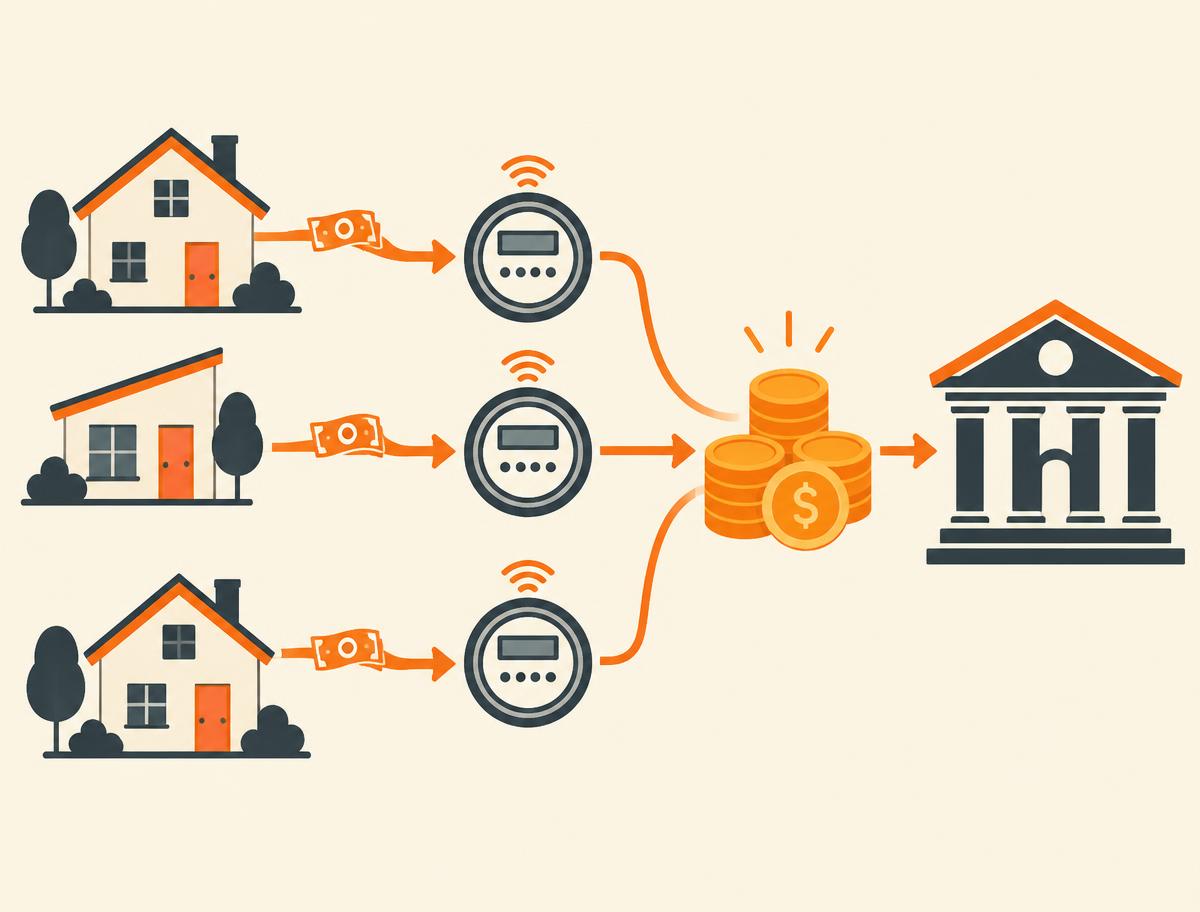
₦373m electricity + ₦51m water, after 5% of bills go unpaid.
- 4−₦117m
Running costs
Solar & battery upkeep ₦60m, staff & admin ₦44m, water operations ₦13m.
- 5−₦28m
Saving for replacements
A yearly reserve so worn parts can be replaced.
- 6₦279m
Cash left for the lender (CFADS)
This is what's actually available to repay debt.
- 7−₦173m
Loan repayment due
Interest plus a slice of the loan itself.
- 81.61x
Debt cover (DSCR)
₦1.61 available for every ₦1 owed. Comfortable.
Who pays to build it
Build cost ₦1.95bn + contingency ₦195m + debt reserve ₦120m = ₦2.26bn
What the full Excel model adds
This page runs the core engine live. The full workbook also covers tax, the junior and equity payouts, the exit sale and climate impact. Its base case:
- Year 5 EBITDA
- ₦307m
- Yield on cost
- 13.6%
- Project IRR
- 15.6% nominal / 3.2% real
- Equity IRR
- 22.1% nominal / 9.0% real
- Required equity return
- 22.5% nominal / 9.4% real
- Return from exit sale
- 67% of total
Read this carefully
- • The model's job is to find out what must be true for the project to work — not to make it look good.
- • The 9.75% rate is a real Nigerian precedent over 7 years. A 15-year version is an assumption, not an offer.
- • Two-thirds of equity returns come from selling at the end — the operating cash alone is thin.
- • Excel verdict for the base case: Not yet investable — below the lender's cover rule.